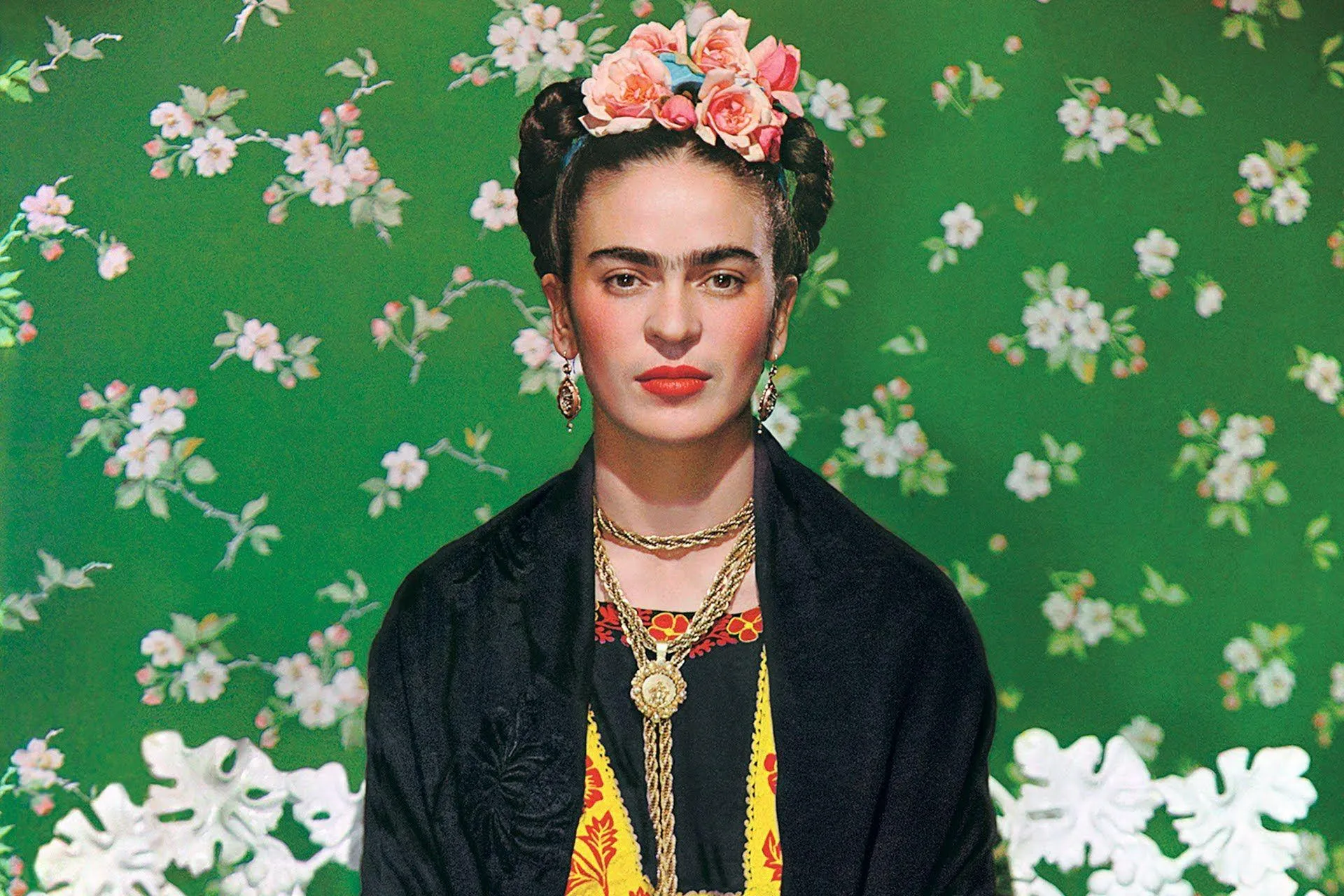
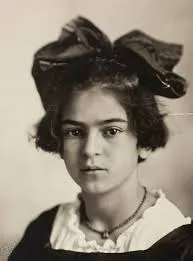
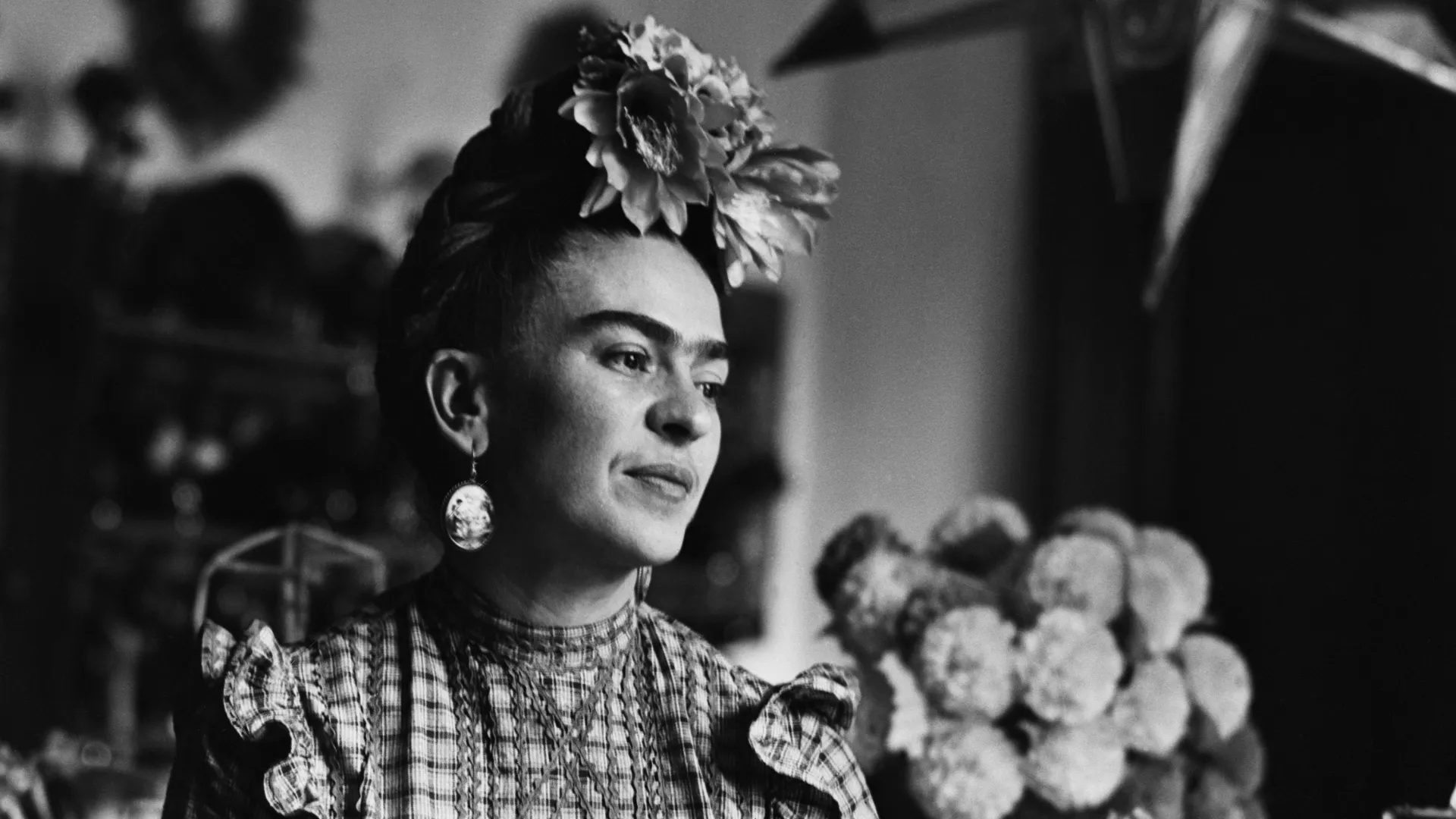
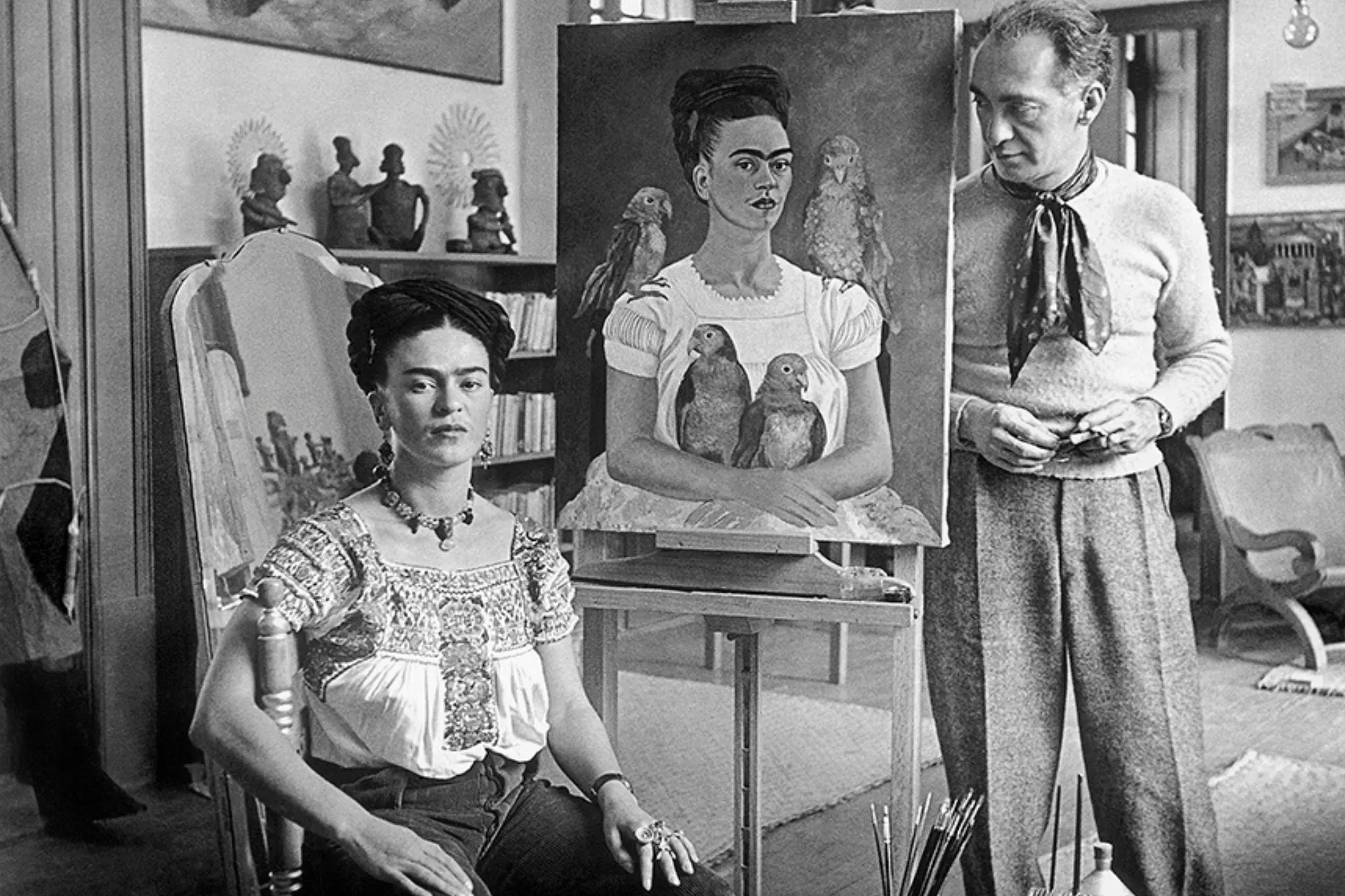
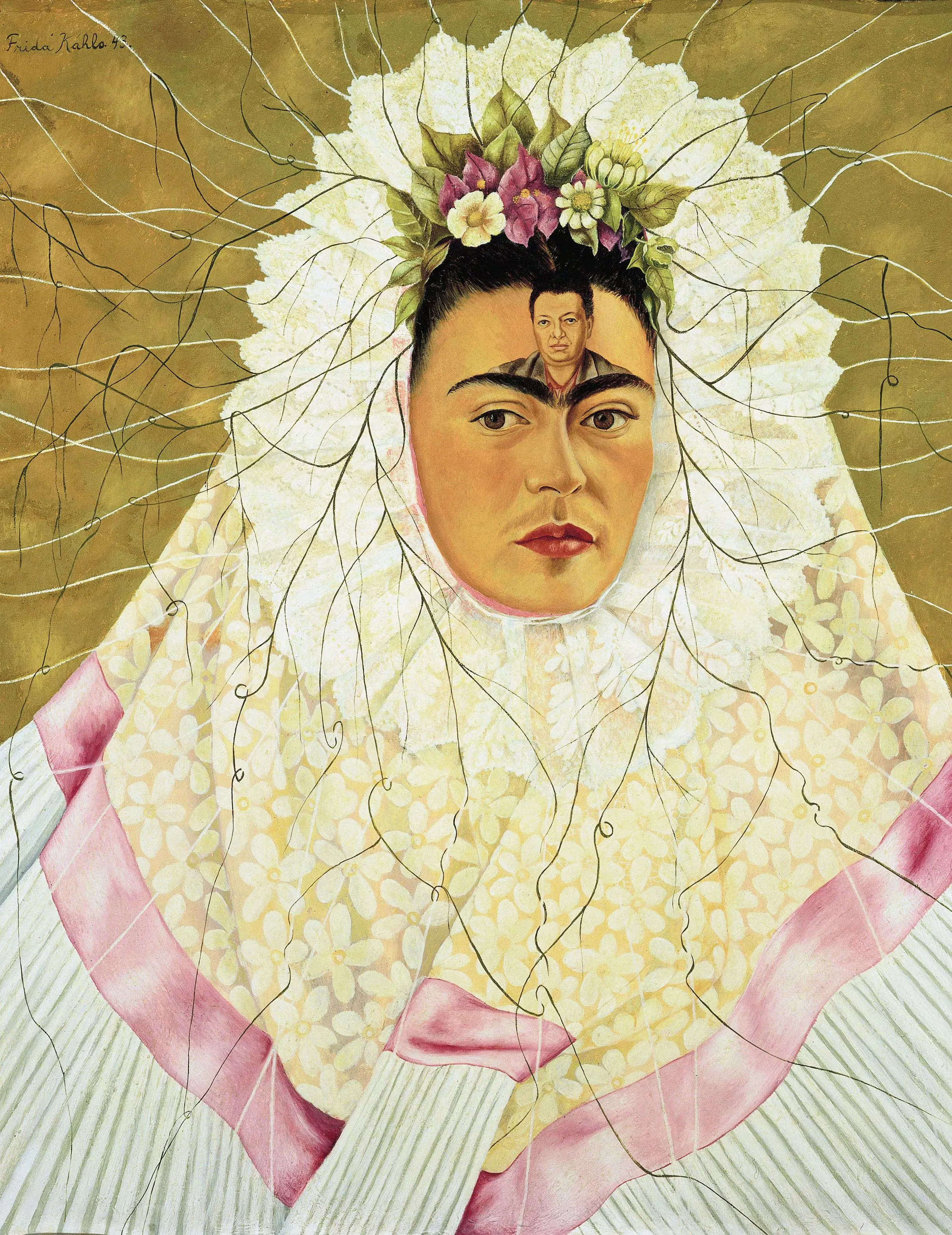
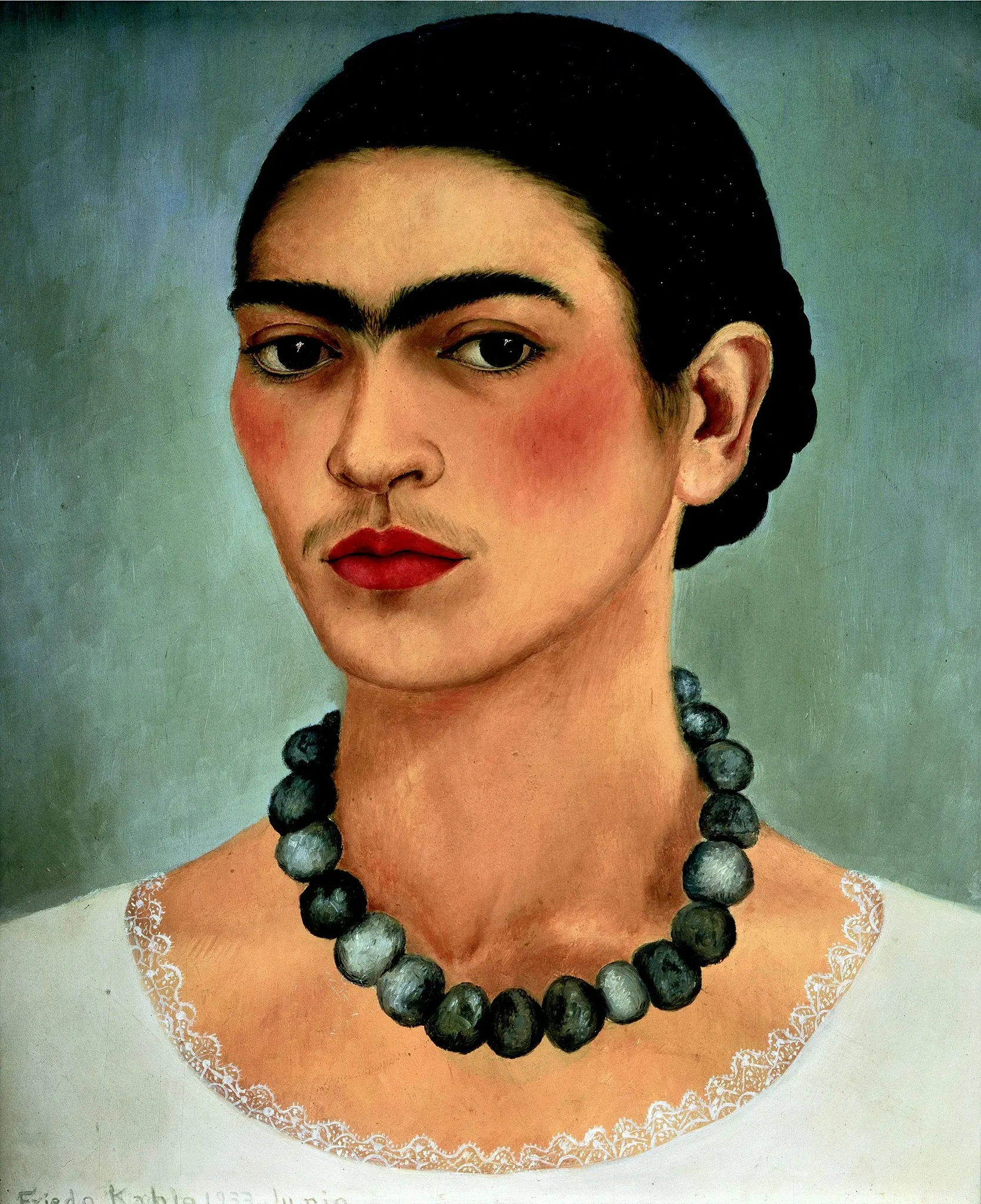
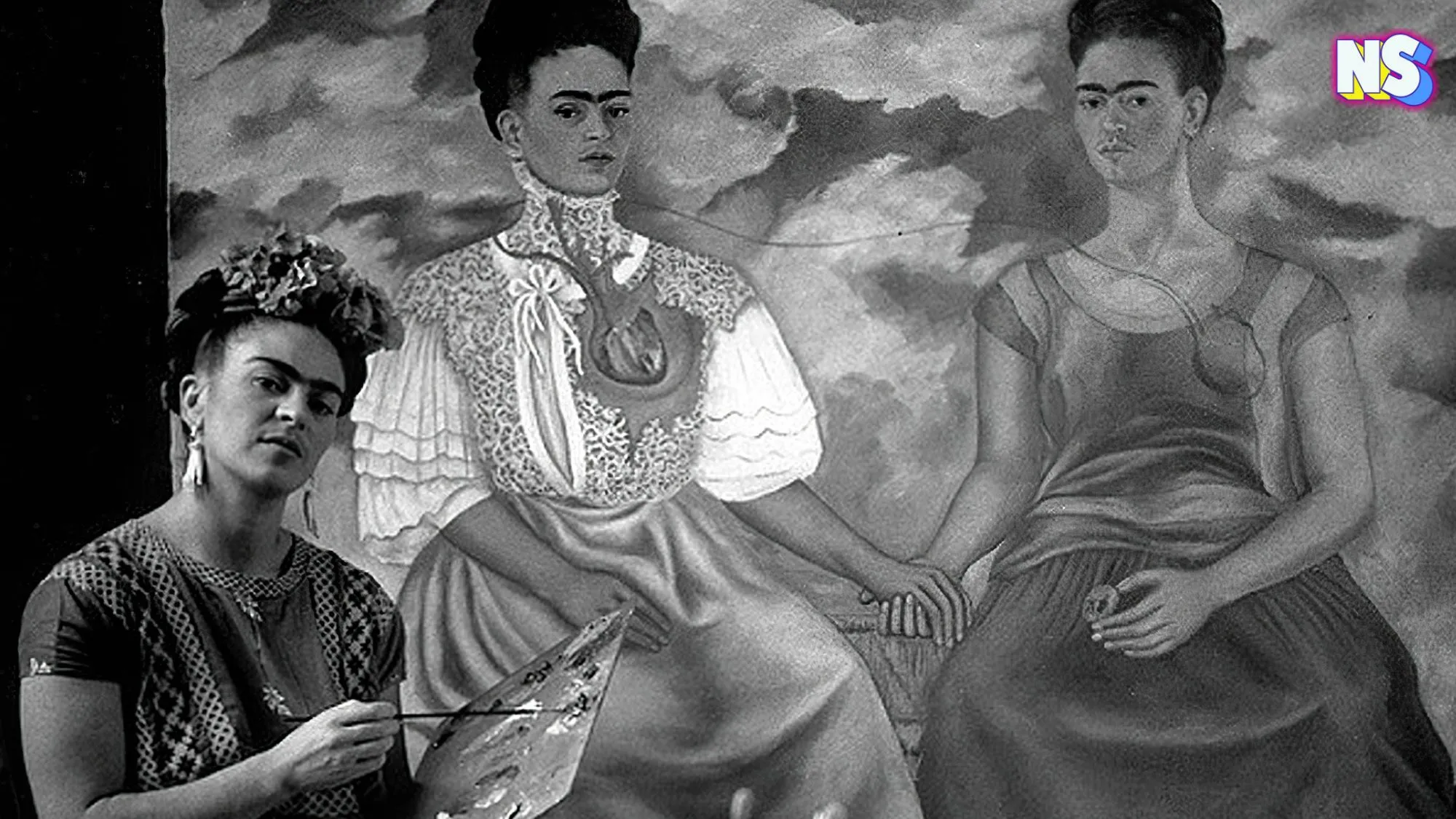
Discover Frida Kahlo beyond the icon
Frida Kahlo is often reduced to a single image, but her story is far richer and more complex.
She was a painter, writer, political thinker, and a survivor of relentless physical pain.
This guide follows her development from childhood to global influence, connecting biography, relationships, health struggles, and visual symbolism.
The goal is simple: to understand Frida as a full person rather than a simplified legend..
Frida Kahlo Visiting timetable
This guide is structured in thematic sections so you can explore Frida's life at your own pace, from concise summaries to deep long-form reading.
Frida Kahlo Closing Days
Content is regularly reviewed and expanded so you can return anytime for deeper historical context.
Where is Located
Coyoacan, Mexico City, Mexico
How to approach Frida Kahlo's story
Frida can be studied through multiple entry points: biography, painting analysis, personal writings, cultural history, and political thought.
By Train
Start with chronology if you want structure: childhood, illness, accident, partnership with Diego Rivera, artistic maturity, and final years.
By Car
Start with key paintings if you are image-driven. Each work can open a path into body politics, symbolism, emotional strategy, and identity.
By Bus
Start with historical context if you prefer big-picture understanding: post-revolutionary Mexico, labor discourse, and national identity debates.
On Foot
Start with intimate sources if you value voice: letters, diary fragments, and testimonies. This reveals Frida's humor, vulnerability, and discipline.
Why study Frida Kahlo
Because Frida offers one of modern culture's most honest portraits of identity, pain, desire, politics, and self-representation.
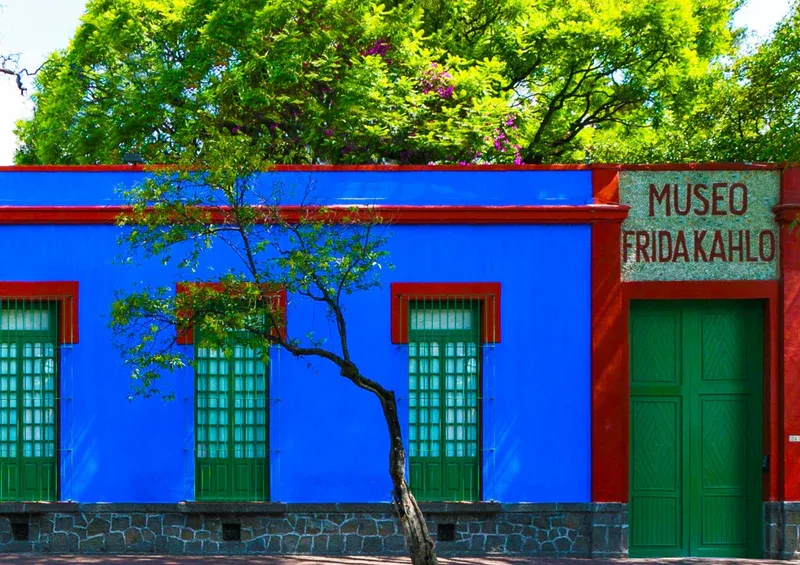
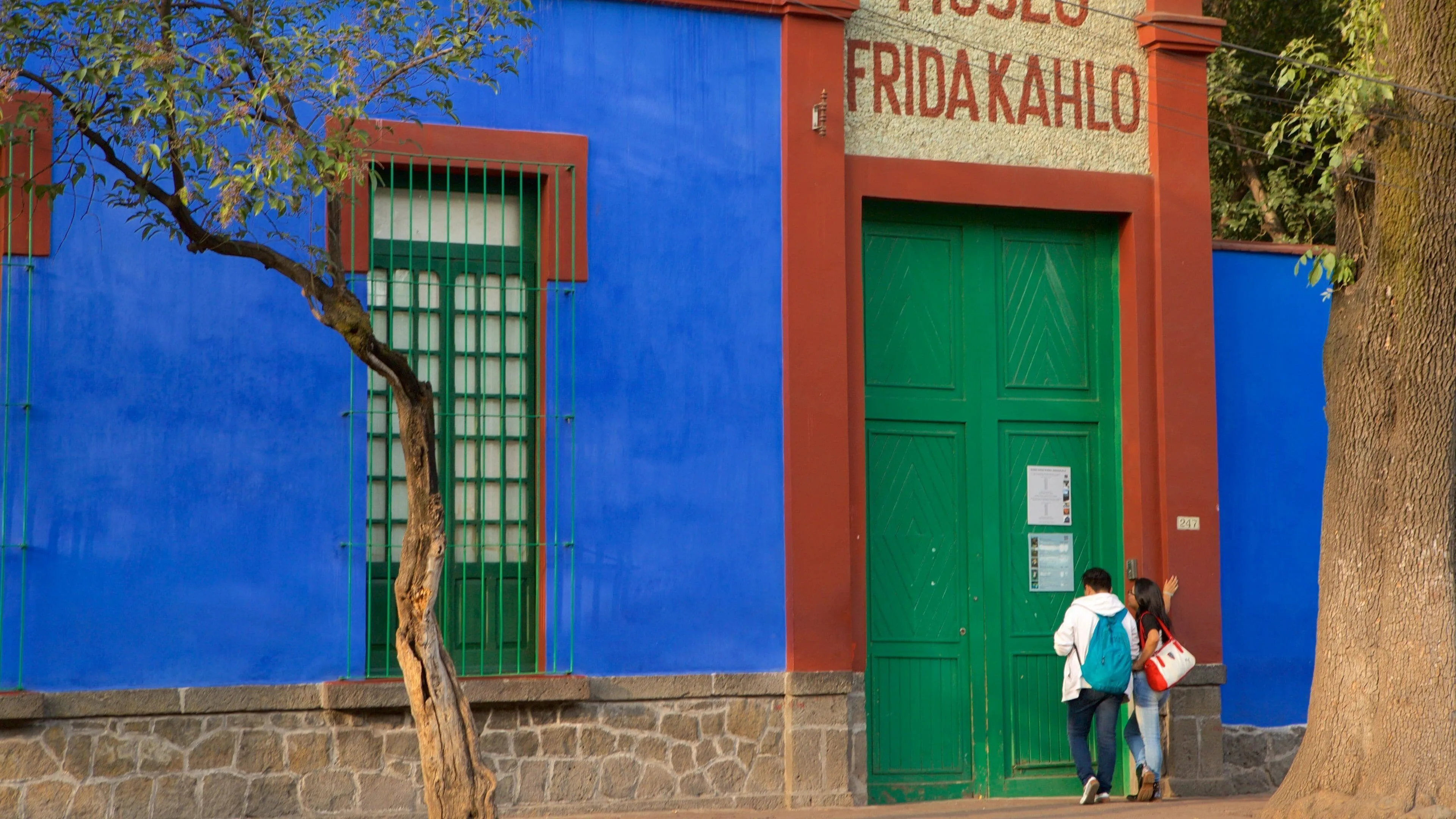

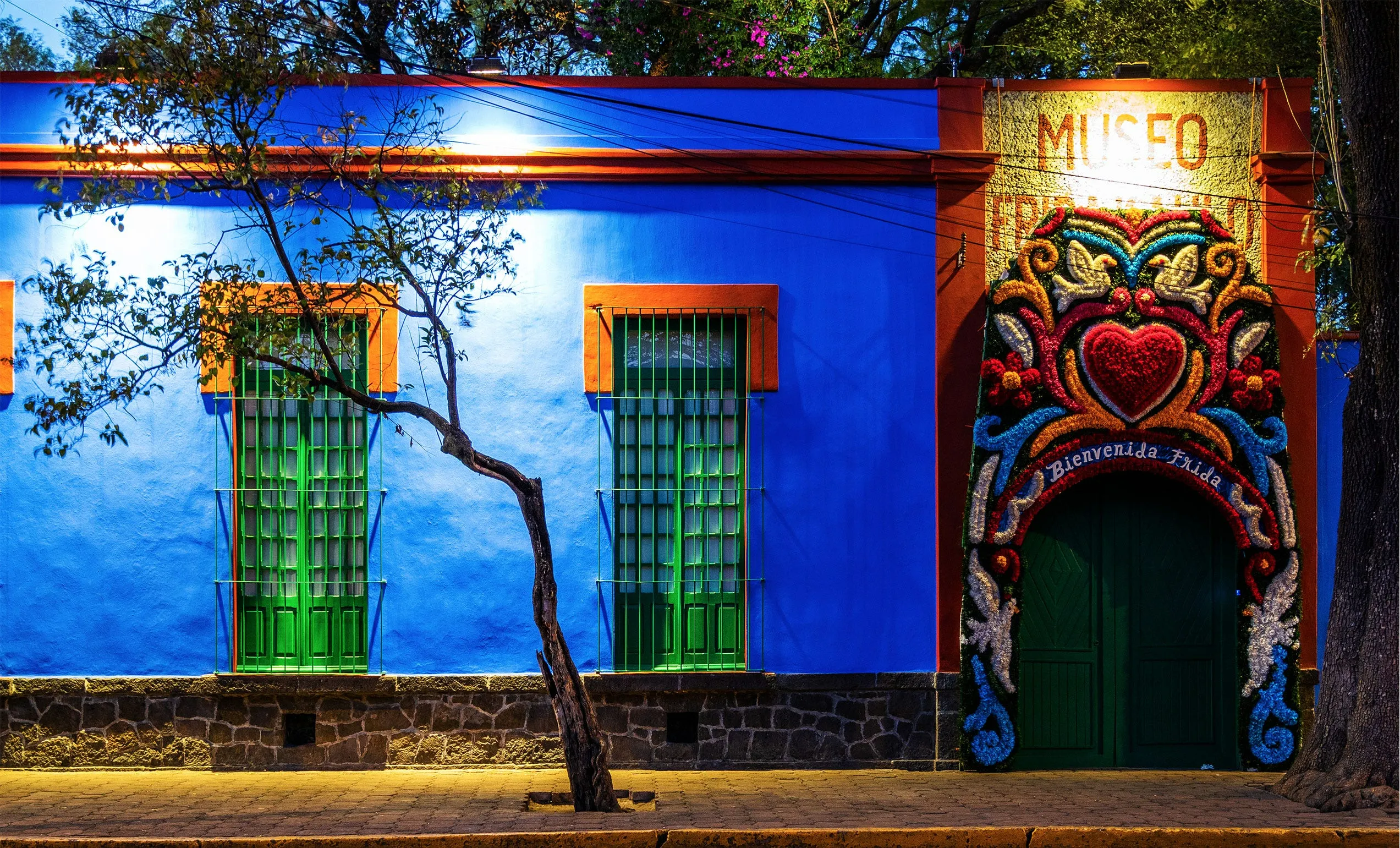
Frida Kahlo
Frida's biography and personal voice
Explore Frida's life as lived experience: illness, discipline, love, conflict, humor, and reinvention.
Frida and Diego's artistic legacy
Follow the creative and emotional dialogue between Frida and Diego through paintings, letters, and political context.
Identity, pain, and symbolic language
Study how Frida transformed bodily pain and social tension into a precise visual language that still resonates globally.
Frida Kahlo at a glance
Quick answers before you dive deeper into Frida's life.
Start your Frida Kahlo deep dive
Choose the life chapter or theme you want to begin with.
Compare biographical, artistic, and historical pathways to build your own learning route.