A life where biography became art
In Frida story, private experience and public history merge into one of the most compelling narratives of the twentieth century.
Table of Contents
Frida before public recognition
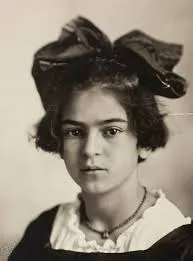
Before becoming a global symbol, Frida lived in an ordinary but intellectually active environment shaped by discipline, family expectation, and cultural contrast. Her evolution was gradual and forged under pressure, not born as instant myth.
Understanding this early stage prevents simplistic readings. Her later symbolic power came from lived contradictions, social tension, and a sharpened observational discipline.
Frida childhood and family roots
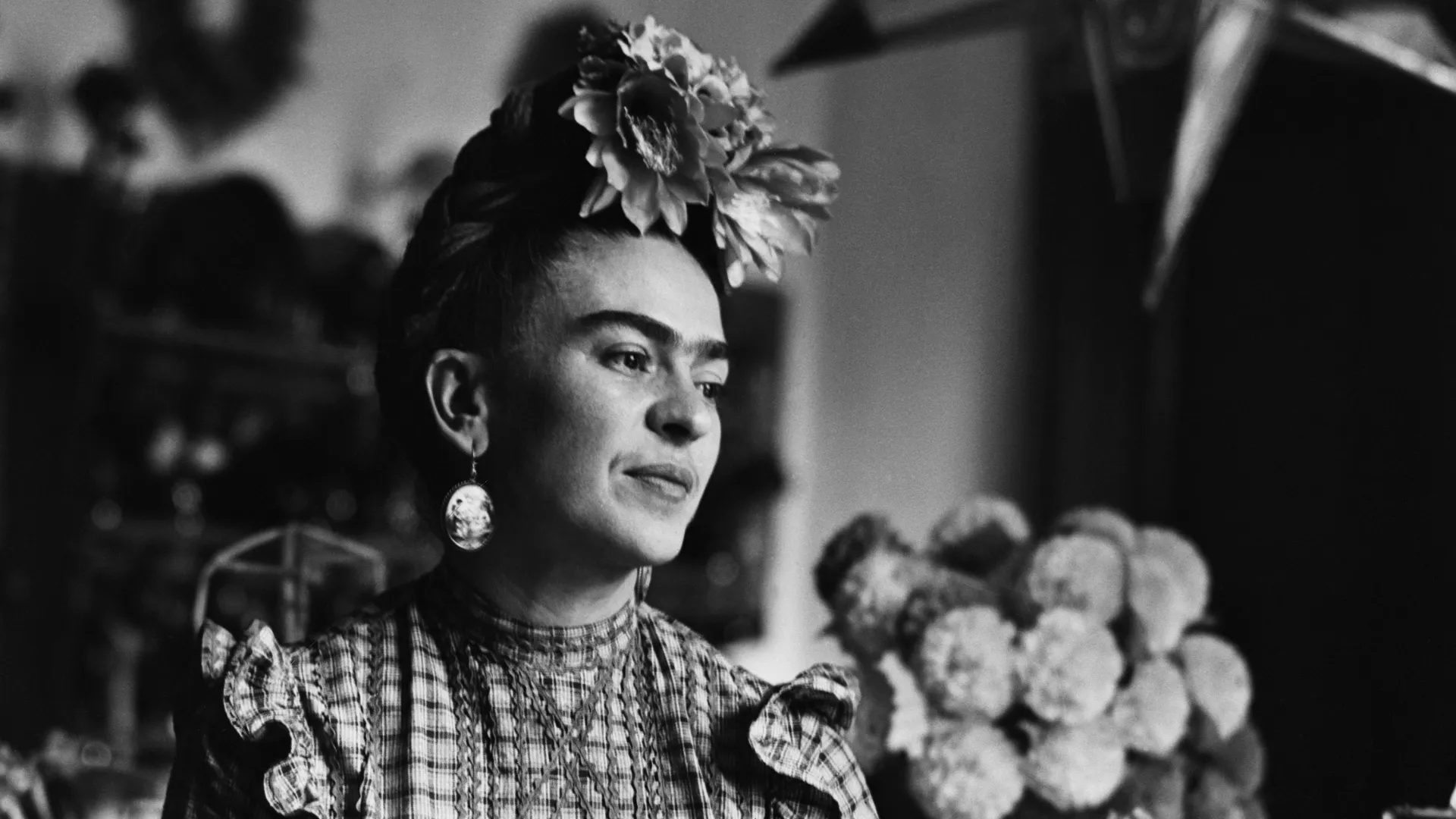
Frida Kahlo was born in 1907 into a household where photography, language, ritual, and politics coexisted. Her father shaped her visual discipline; her mother reinforced deep Mexican cultural roots.
After surviving polio, Frida developed unusual emotional toughness, sharp humor, and a strong will to define herself against expectation. These traits later became central to her work.
The accident that changed everything
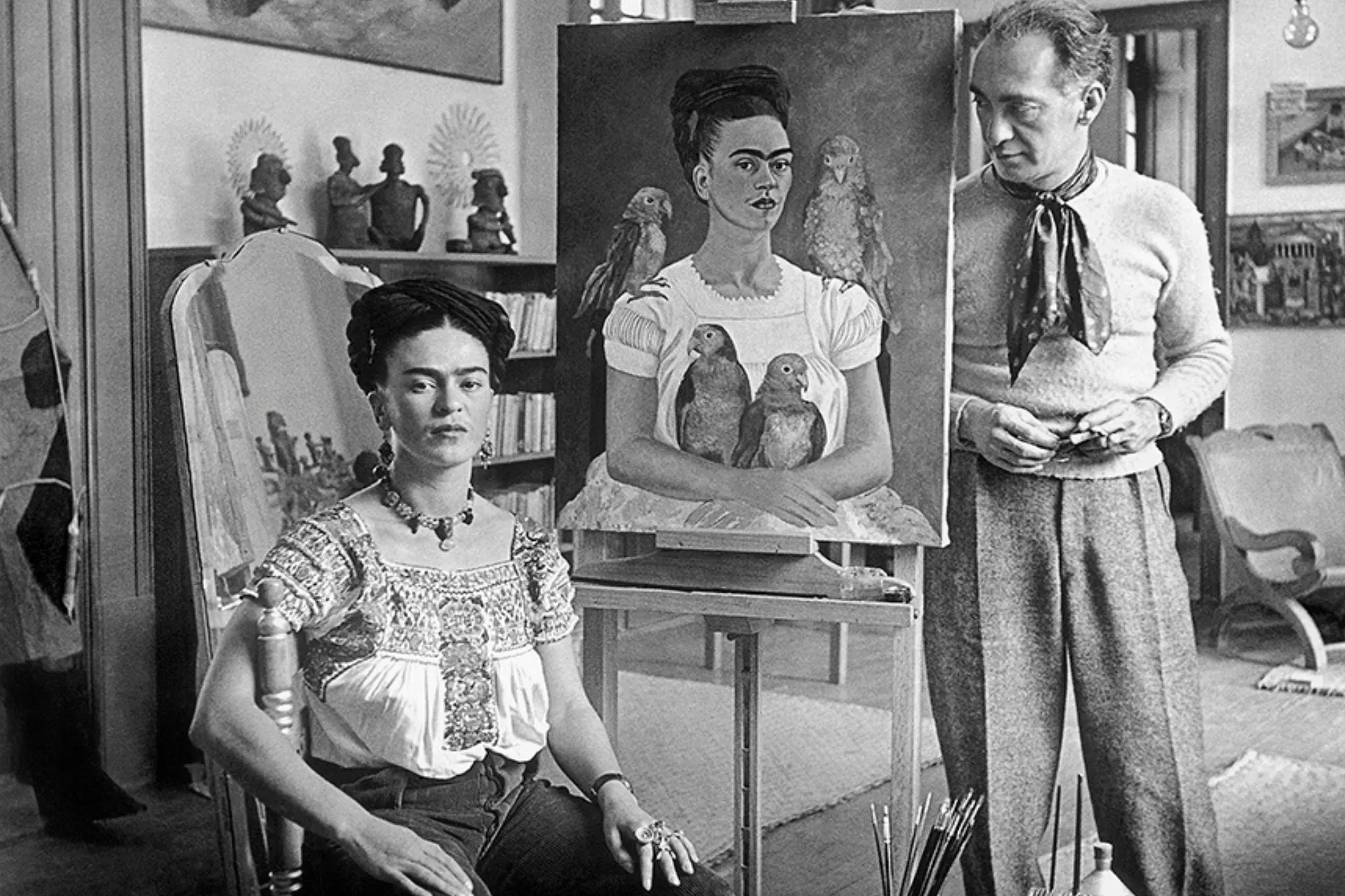
At eighteen, Frida survived a catastrophic bus accident that caused multiple injuries and lifelong chronic pain. During long recovery periods, painting became both survival method and intellectual practice.
This was not merely biographical tragedy; it was the core transformation of her method. Frida repeatedly translated bodily pain into image, metaphor, and artistic form.
Frida and Diego: love, art, and politics
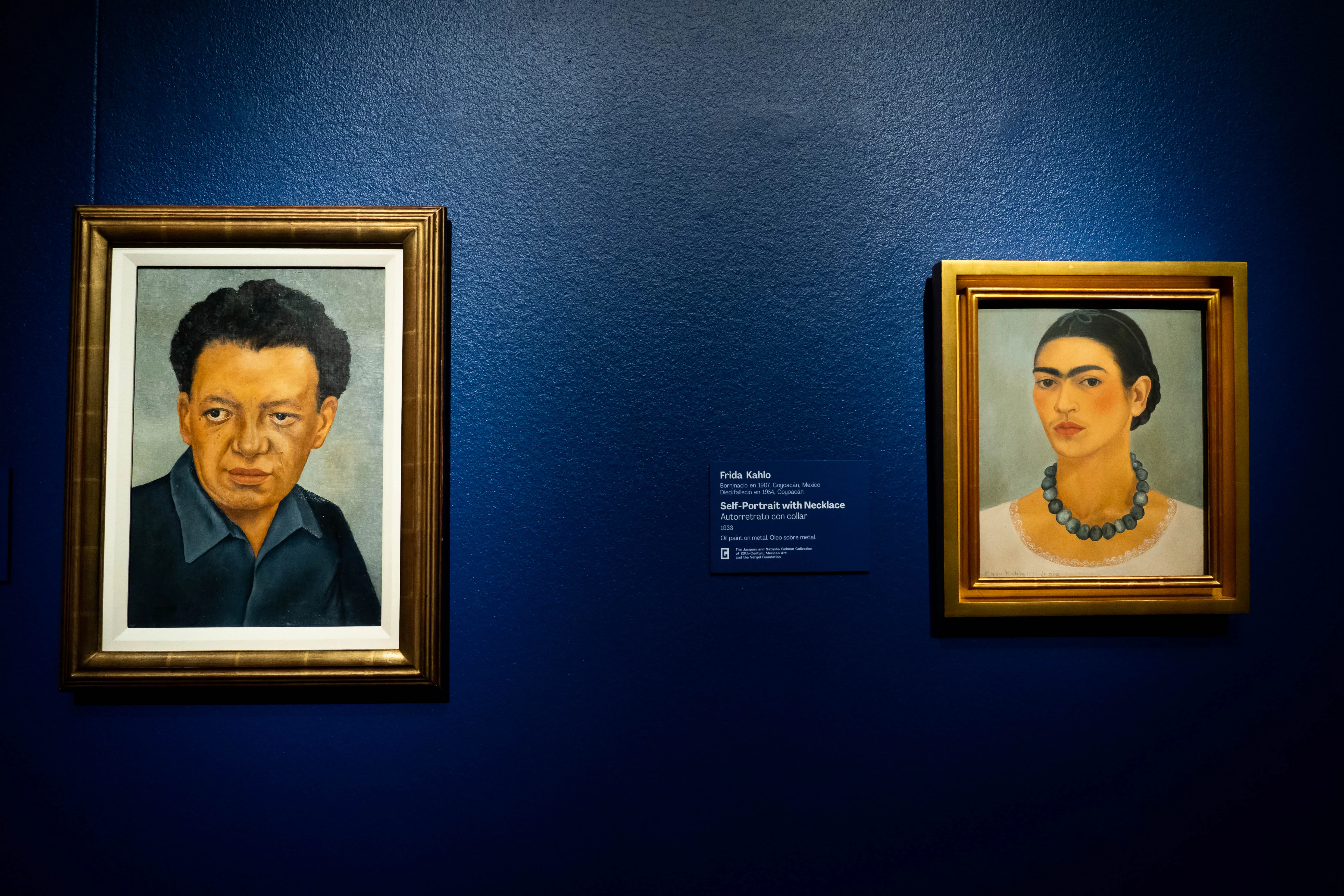
Frida and Diego formed a relationship defined by intensity, rupture, admiration, and creative exchange. Their bond was turbulent but artistically generative.
Their shared world linked intimate emotion with public ideology, placing art inside larger debates on labor, nationalism, and post-revolutionary identity.
Pain, identity, and self-portraiture
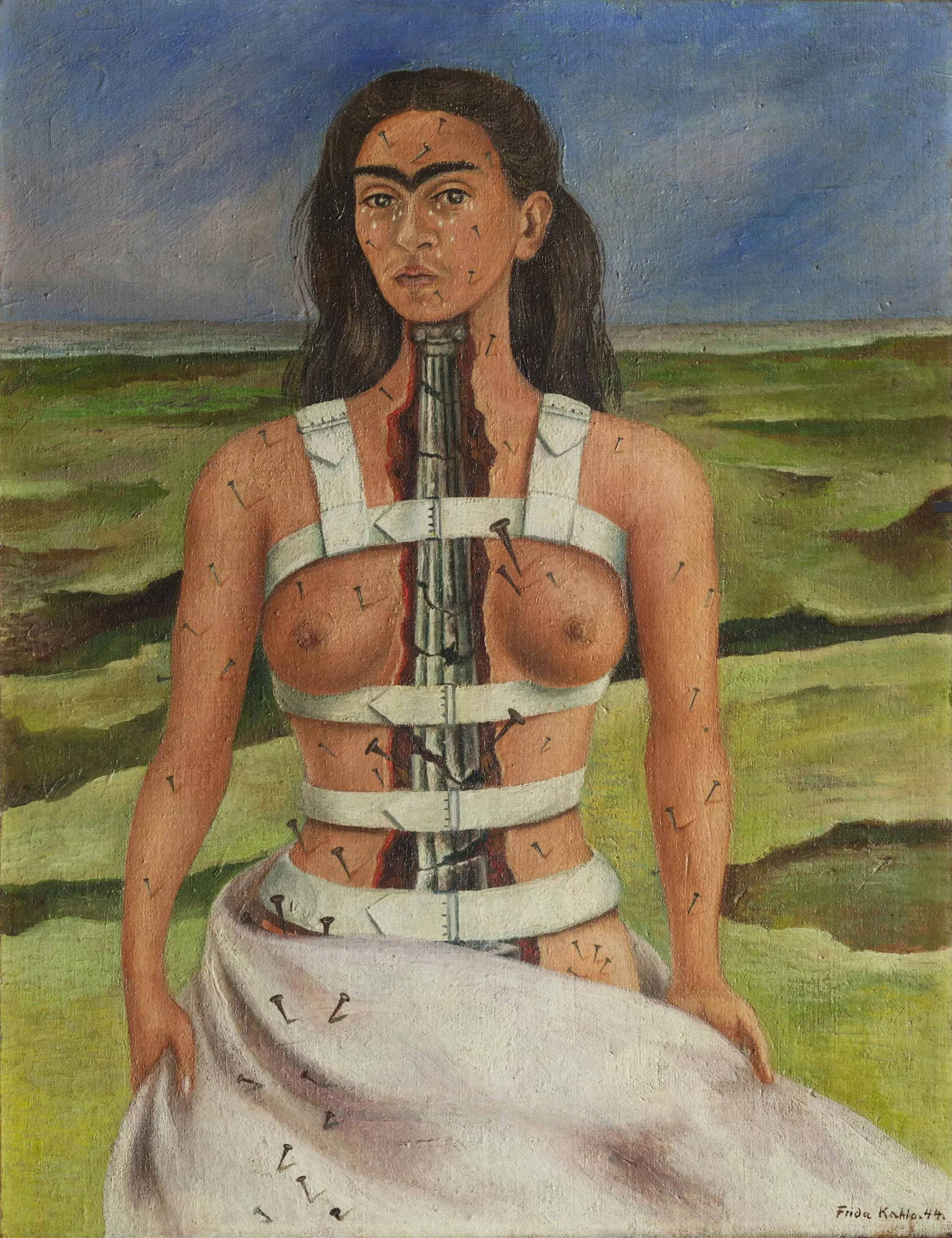
Frida self-portraits are constructed arguments, not simple confessions. Through costume, gaze, blood, flora, and symbolic objects, she stages identity as active composition.
Her language combines bodily reality, national references, and emotional strategy. That combination keeps her work globally relevant.
Frida life as a creative laboratory
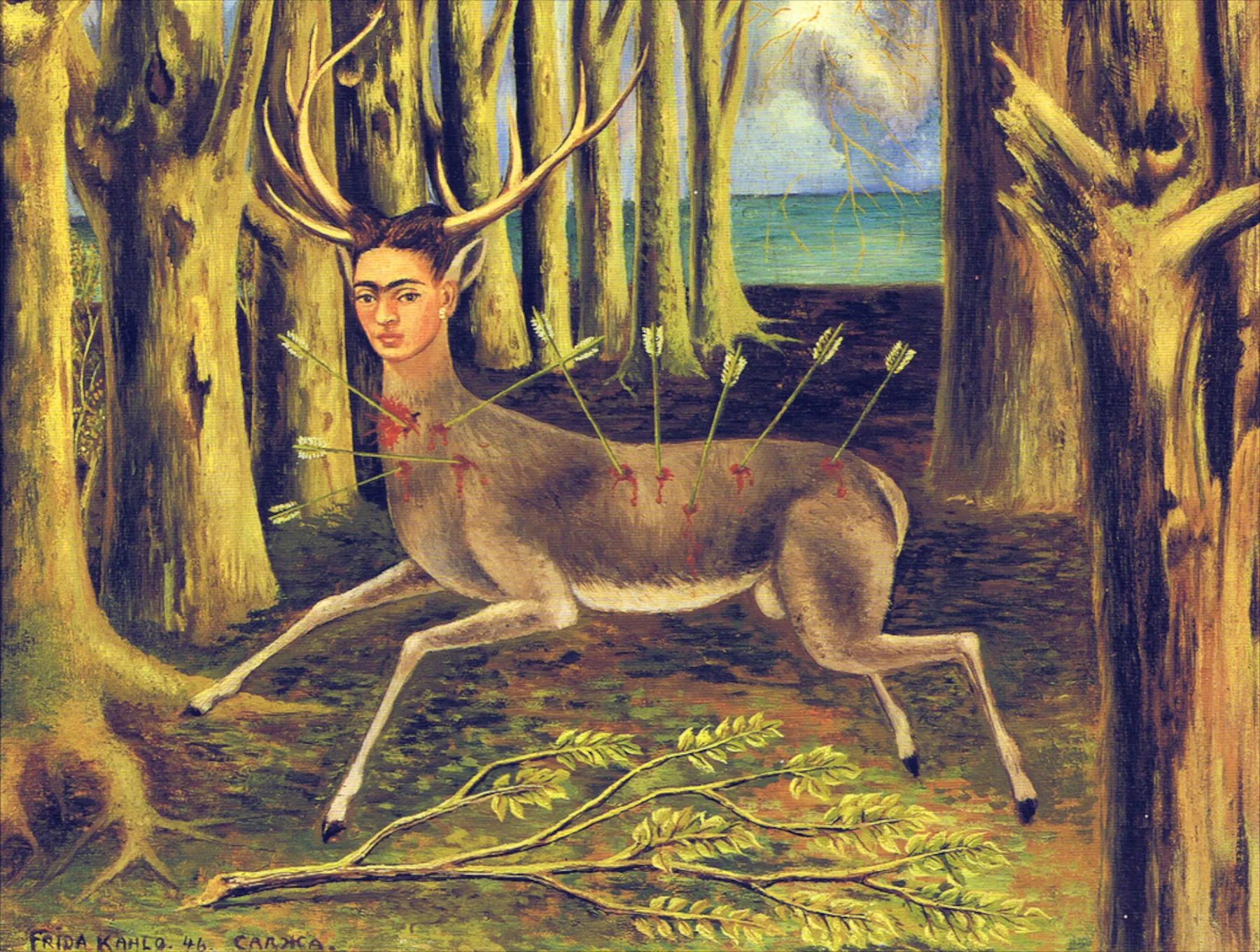
Frida life fused painting, writing, recovery, politics, and daily routine into one continuous process. She did not separate art from lived experience.
This integration explains her lasting force: not spontaneous myth, but disciplined making under real constraints.
Mexico cultural renaissance and Frida role
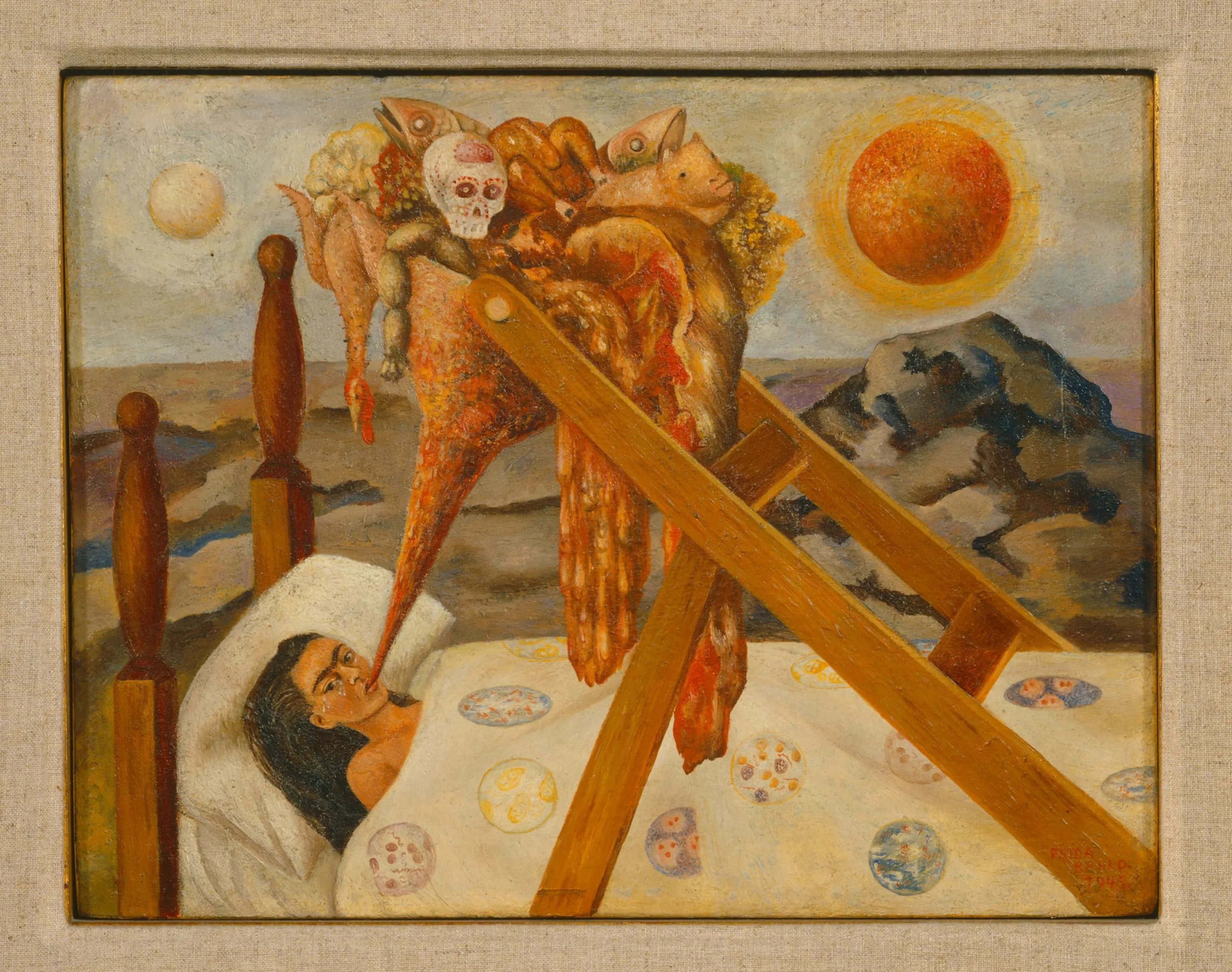
Frida worked during a period when Mexico was redefining itself through education, public art, and debates on indigenous and national identity.
Later scholarship recognized Frida as an autonomous major artist, not a secondary figure in someone else's narrative.
Final years and personal resilience
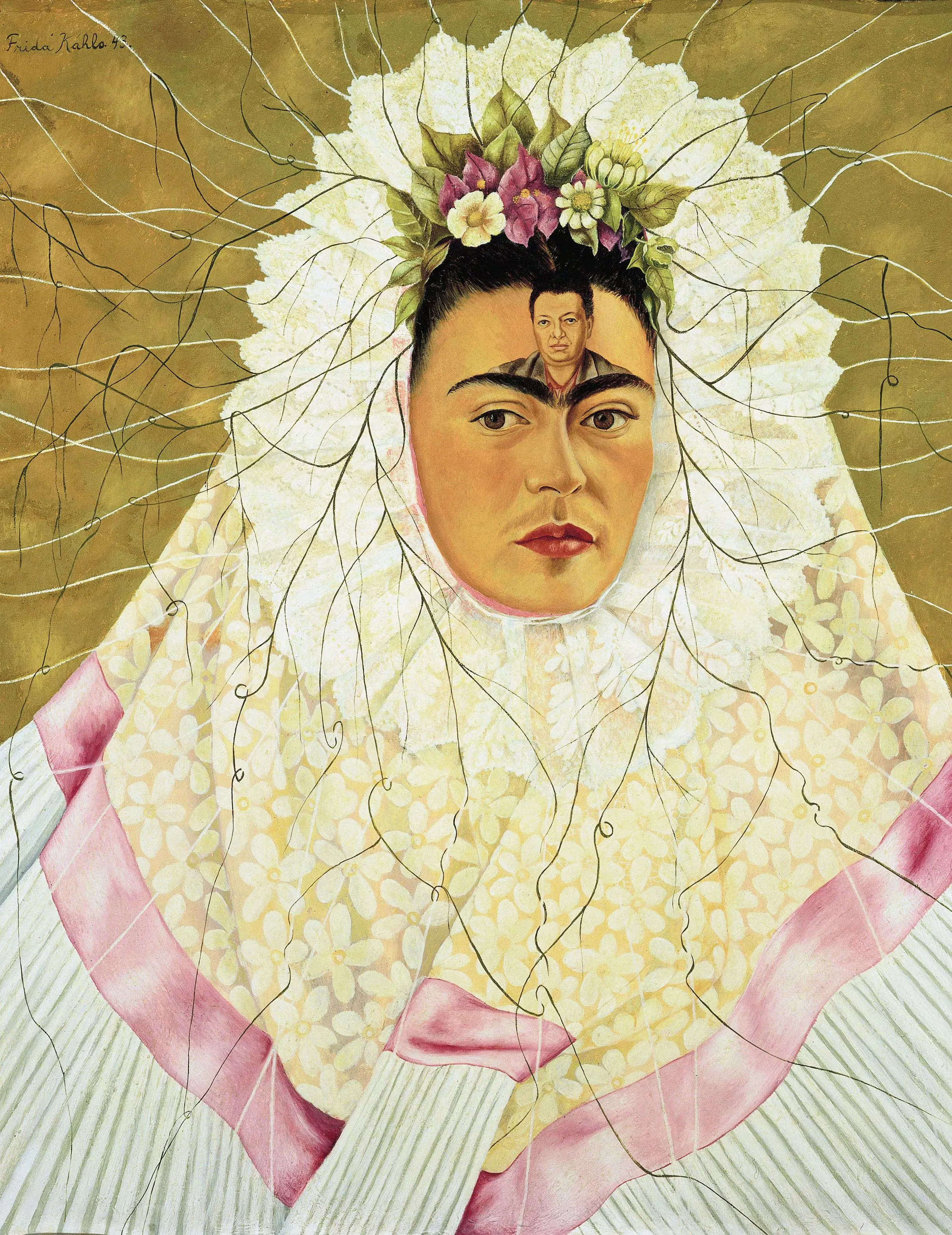
Her final years brought severe pain and reduced mobility, yet she continued creating and engaging politically with striking resolve.
This period reveals not passive suffering, but sustained agency and formal clarity under extreme pressure.
From private person to global symbol
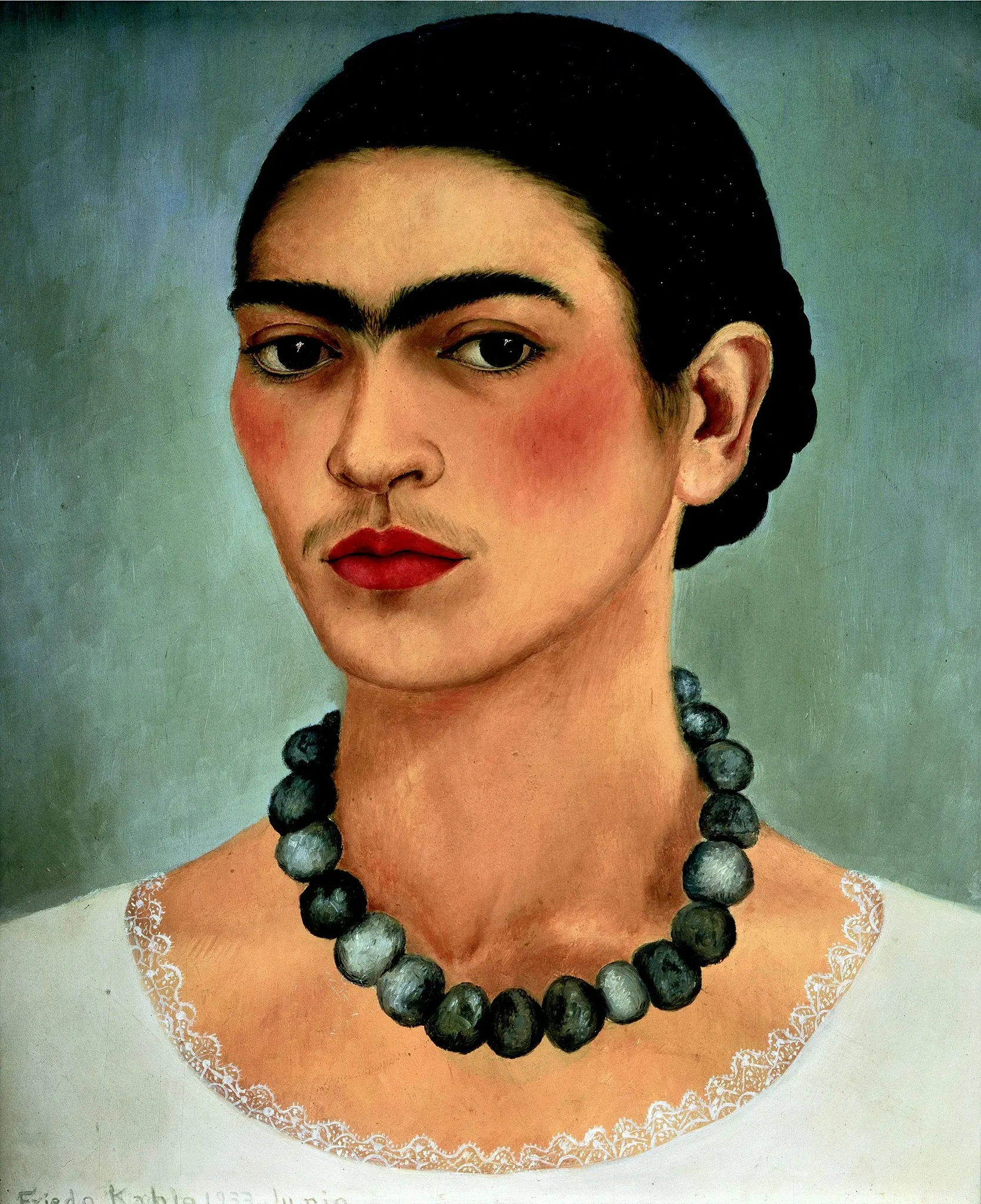
After her death, Frida image expanded globally. Recognition increased, but so did simplification and myth-making.
Responsible interpretation requires returning to biography, history, and documented sources to preserve nuance.
What readers discover today
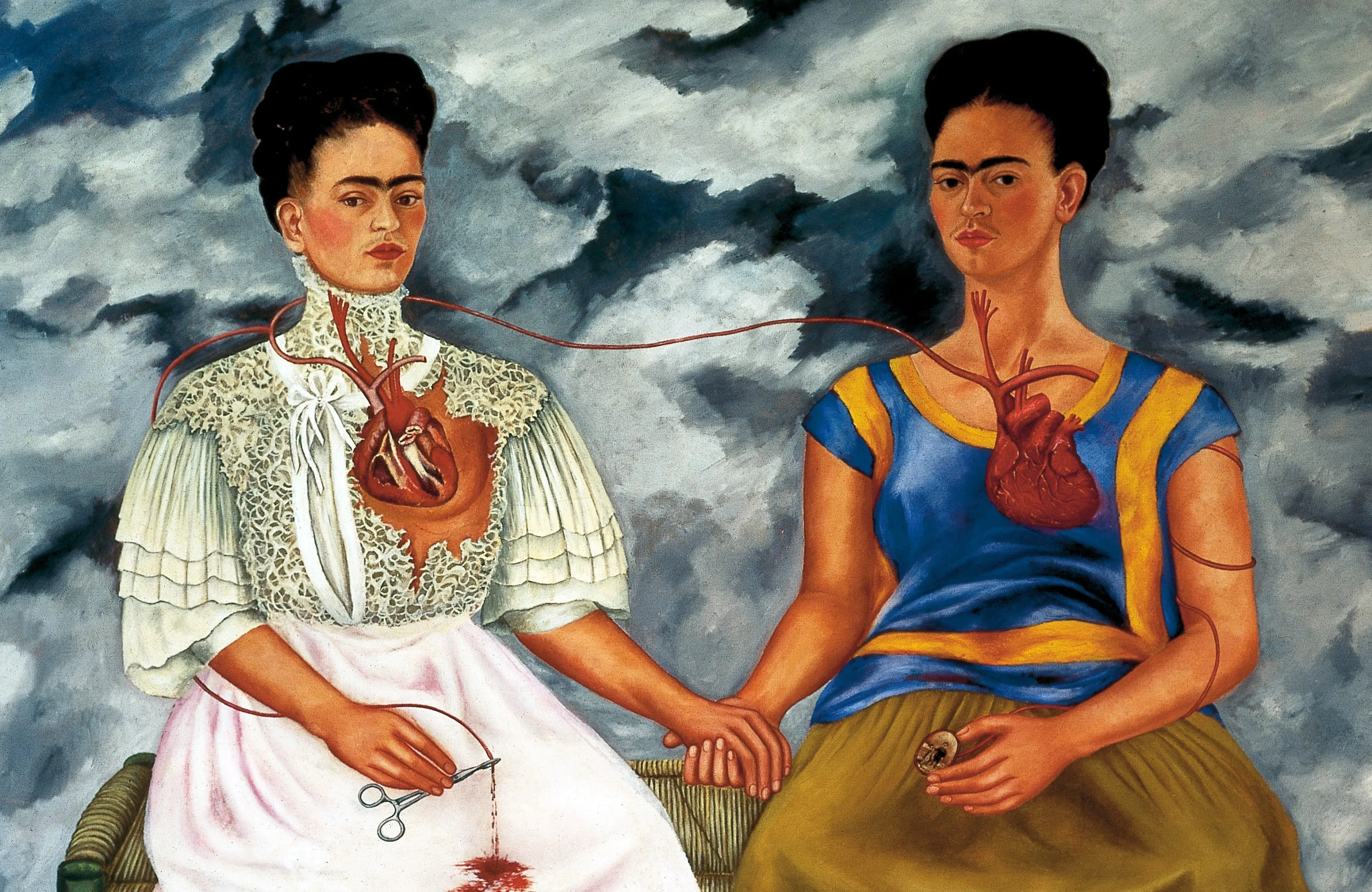
Readers now encounter Frida across biographies, archives, criticism, and visual analysis. The strongest approach connects these materials.
Close reading reveals layers of body politics, historical tension, and performed identity that are easy to miss at surface level.
Conservation, archives, and legacy
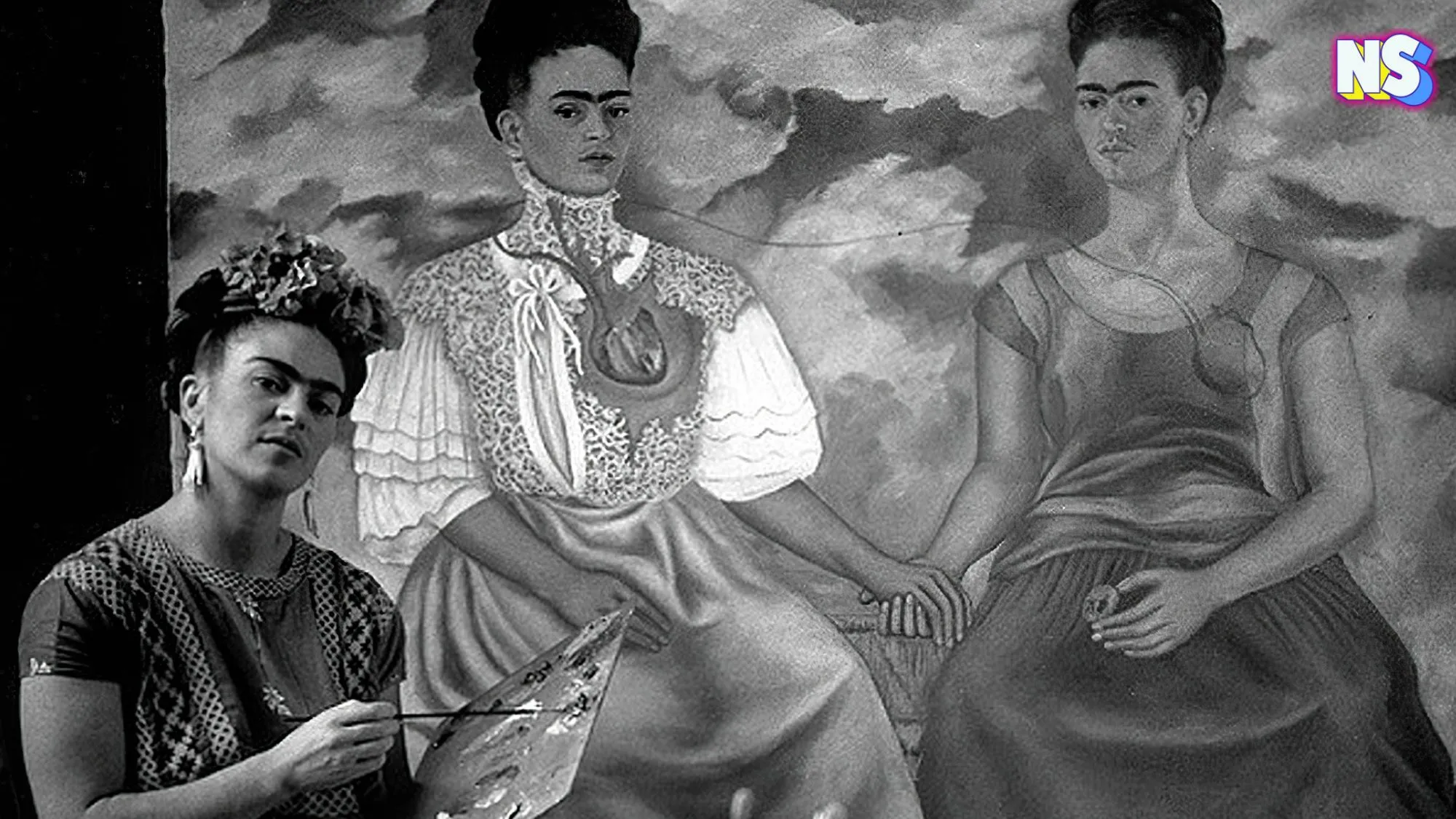
Frida legacy depends on ongoing archival, editorial, and historical work that continues to refine understanding of her life and method.
Grounding interpretation in evidence helps preserve Frida beyond slogan, trend, or commodified image.
Coyoacan as emotional landscape
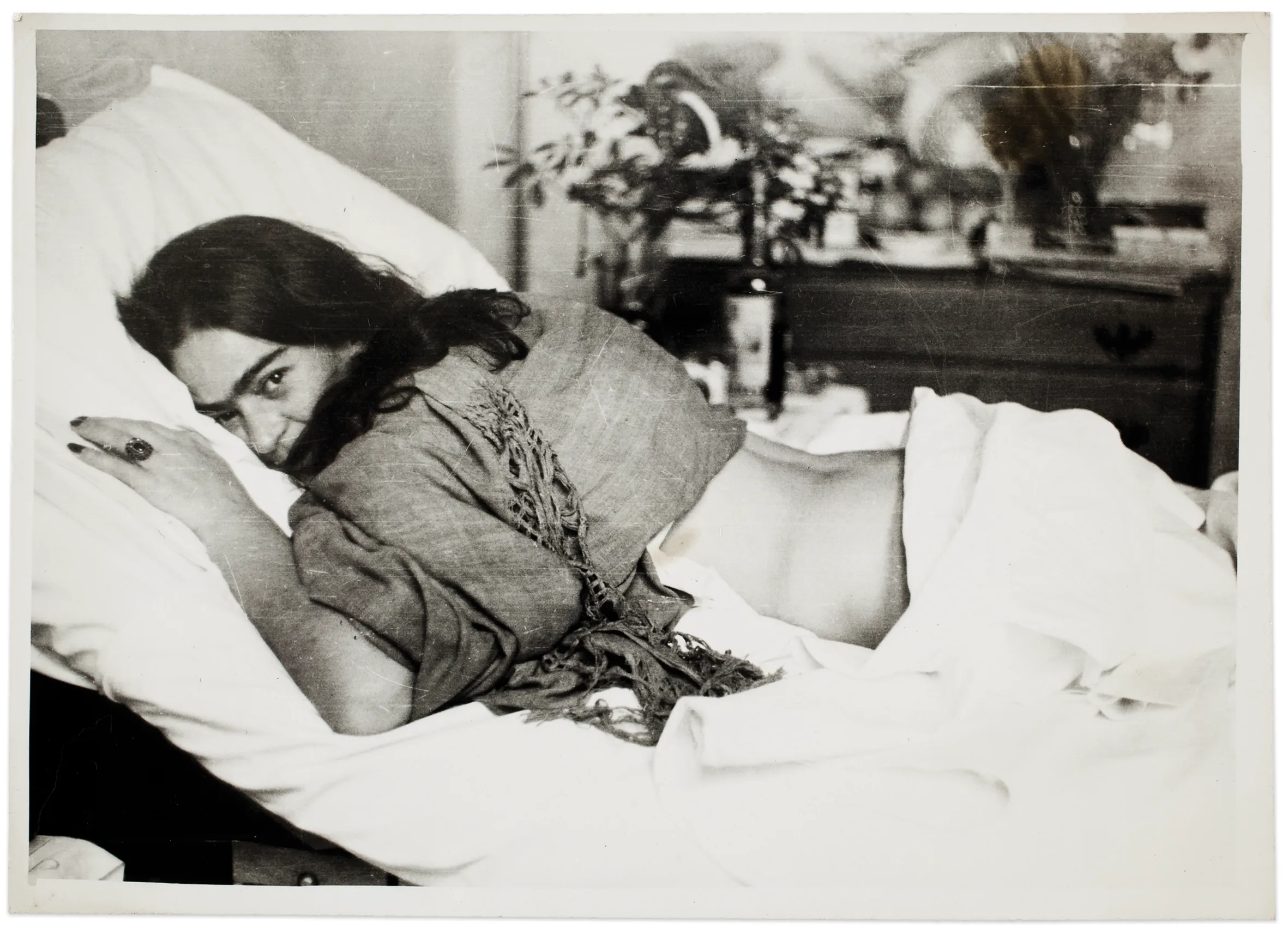
Coyoacan matters as emotional and social context in Frida life, not as decorative backdrop.
Reading Frida with place and history in view creates a fuller and more accurate interpretation.
Why Frida still resonates
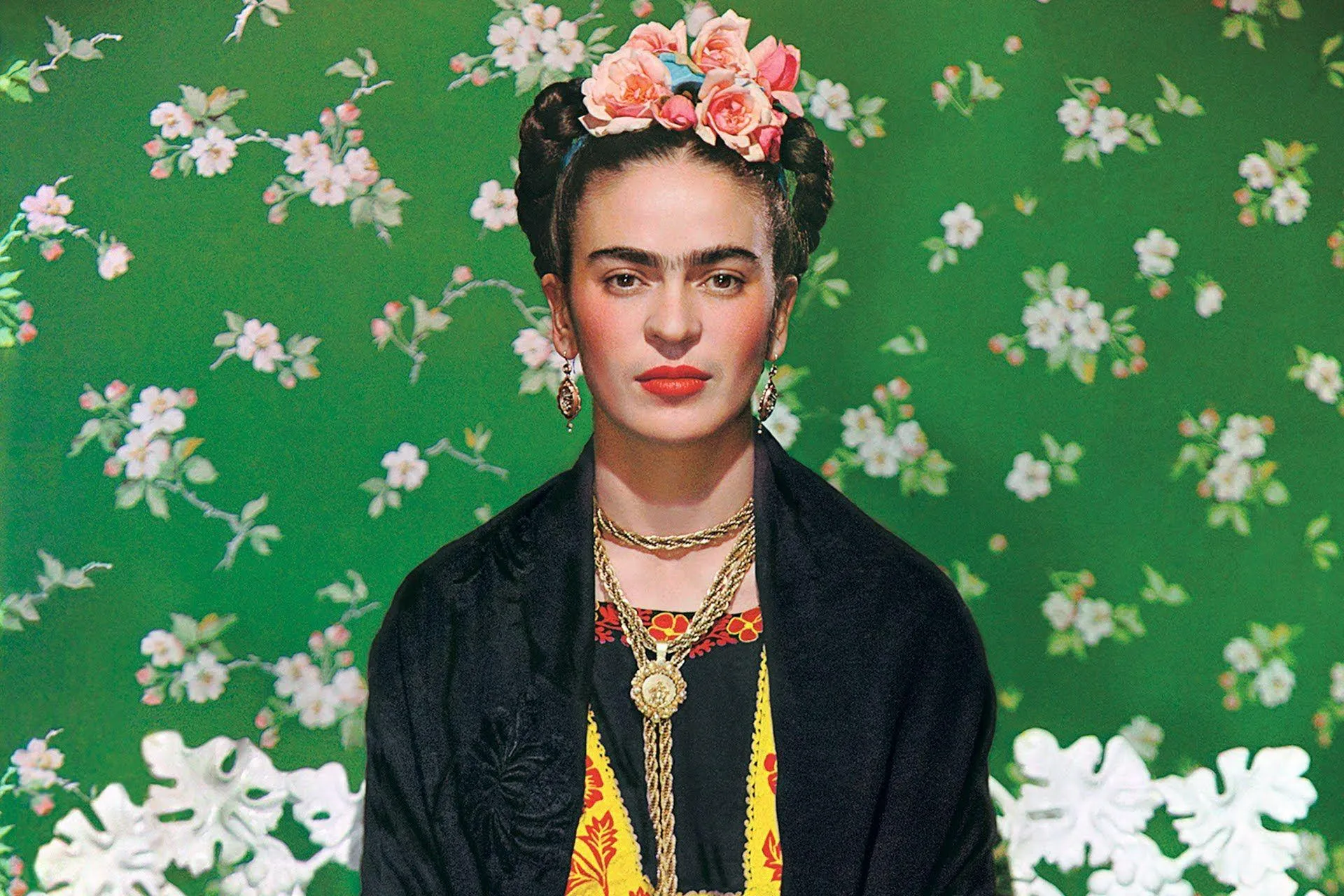
Frida endures because she unites historical specificity with emotional immediacy while refusing simplification.
Her questions about body, belonging, pain, desire, and self-representation remain deeply contemporary.
Table of Contents
Frida before public recognition
Before becoming a global symbol, Frida lived in an ordinary but intellectually active environment shaped by discipline, family expectation, and cultural contrast. Her evolution was gradual and forged under pressure, not born as instant myth.
Understanding this early stage prevents simplistic readings. Her later symbolic power came from lived contradictions, social tension, and a sharpened observational discipline.
Frida childhood and family roots
Frida Kahlo was born in 1907 into a household where photography, language, ritual, and politics coexisted. Her father shaped her visual discipline; her mother reinforced deep Mexican cultural roots.
After surviving polio, Frida developed unusual emotional toughness, sharp humor, and a strong will to define herself against expectation. These traits later became central to her work.
The accident that changed everything
At eighteen, Frida survived a catastrophic bus accident that caused multiple injuries and lifelong chronic pain. During long recovery periods, painting became both survival method and intellectual practice.
This was not merely biographical tragedy; it was the core transformation of her method. Frida repeatedly translated bodily pain into image, metaphor, and artistic form.
Frida and Diego: love, art, and politics
Frida and Diego formed a relationship defined by intensity, rupture, admiration, and creative exchange. Their bond was turbulent but artistically generative.
Their shared world linked intimate emotion with public ideology, placing art inside larger debates on labor, nationalism, and post-revolutionary identity.
Pain, identity, and self-portraiture
Frida self-portraits are constructed arguments, not simple confessions. Through costume, gaze, blood, flora, and symbolic objects, she stages identity as active composition.
Her language combines bodily reality, national references, and emotional strategy. That combination keeps her work globally relevant.
Frida life as a creative laboratory
Frida life fused painting, writing, recovery, politics, and daily routine into one continuous process. She did not separate art from lived experience.
This integration explains her lasting force: not spontaneous myth, but disciplined making under real constraints.
Mexico cultural renaissance and Frida role
Frida worked during a period when Mexico was redefining itself through education, public art, and debates on indigenous and national identity.
Later scholarship recognized Frida as an autonomous major artist, not a secondary figure in someone else's narrative.
Final years and personal resilience
Her final years brought severe pain and reduced mobility, yet she continued creating and engaging politically with striking resolve.
This period reveals not passive suffering, but sustained agency and formal clarity under extreme pressure.
From private person to global symbol
After her death, Frida image expanded globally. Recognition increased, but so did simplification and myth-making.
Responsible interpretation requires returning to biography, history, and documented sources to preserve nuance.
What readers discover today
Readers now encounter Frida across biographies, archives, criticism, and visual analysis. The strongest approach connects these materials.
Close reading reveals layers of body politics, historical tension, and performed identity that are easy to miss at surface level.
Conservation, archives, and legacy
Frida legacy depends on ongoing archival, editorial, and historical work that continues to refine understanding of her life and method.
Grounding interpretation in evidence helps preserve Frida beyond slogan, trend, or commodified image.
Coyoacan as emotional landscape
Coyoacan matters as emotional and social context in Frida life, not as decorative backdrop.
Reading Frida with place and history in view creates a fuller and more accurate interpretation.
Why Frida still resonates
Frida endures because she unites historical specificity with emotional immediacy while refusing simplification.
Her questions about body, belonging, pain, desire, and self-representation remain deeply contemporary.